Holiday Travel Wellness - Stretches and Posture Tips for the Road
Holiday travel can mean cherished time with family and friends, but long hours in a car or airplane seat can leave your body feeling tight before the celebration begins. Whether you are driving across California or flying to a holiday destination, staying in the same position for too long can place added stress on your muscles and joints.
The encouraging news is that staying more comfortable on the road does not require a complicated workout routine. A few easy stretches, brief movement breaks, and mindful posture adjustments can help reduce travel-related stiffness. Taking a minute or two to move each hour may help you arrive feeling more relaxed, mobile, and ready to enjoy your plans.
Why Sitting During Travel Causes Stiffness
Long periods of sitting can affect the body more than people realize. Behind the wheel or in an airplane seat, the hips stay bent while the upper body often rounds forward. This position can gradually create tension through the hip flexors, low back, chest, shoulders, and neck.
When muscles do not move through their usual range of motion, they can begin to feel less flexible. It is common to notice back pain, neck pain, or hip tightness after several hours of travel. Frequent, gentle movement can help address that discomfort before it follows you into the rest of your trip.
At Quantum Chiropractic, we take a whole-body approach to chiropractic care because discomfort in one area can influence how the rest of the body moves and feels. For Sacramento families traveling during the holidays, simple posture and mobility habits can be a helpful way to support comfort along the way.
Stretching During a Long Drive
Hours of driving can make joints feel restricted and leave muscles feeling tense. Planning regular stops for fuel, food, or a rest break creates a natural opportunity to stand up, walk briefly, and give your body a reset.
During a stop, try a runner’s lunge to gently lengthen the front of the hip. Prolonged sitting can cause the hip flexors to feel shortened, and this stretch may help restore a more comfortable sense of movement before you return to the driver’s seat. Move slowly and stay within a comfortable range.
You can also use a stable wall or other secure surface to open the front of the upper body. Place your hands on the surface, reach upward slightly, and gently bring your chest forward. This movement can help counter the forward-rounded position that often develops during a long drive and may ease tension across the shoulders and chest.
For another chest-opening option, stand beside a doorway or wall with your elbows bent at about 90 degrees and your forearms against the surface. Lean forward gradually until you notice a mild stretch through your chest. This can be especially useful when your shoulders have begun to round forward.
While driving, make small posture corrections whenever it is safe to do so. Lightly drawing the shoulder blades together from time to time can help you avoid slumping and support a more balanced seated position.
Comfort Tips for Air Travel
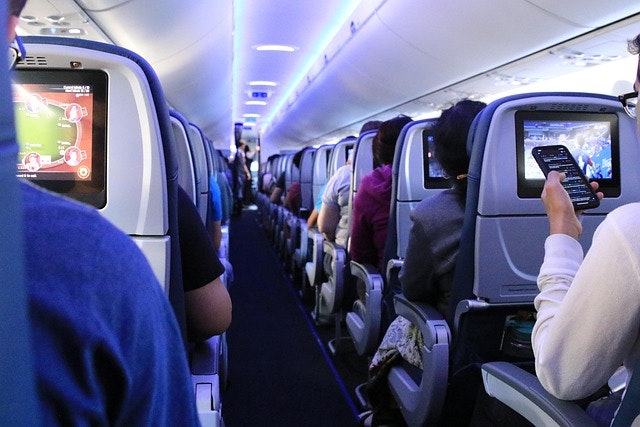
Flying presents many of the same challenges as a road trip, often with less room to move. Remaining seated in a small space for several hours can leave joints feeling stiff and may slow circulation in the lower legs.
A simple movement routine about once an hour can make a meaningful difference. Slowly turn or roll your neck in a comfortable range, then circle the shoulders forward and backward. These gentle motions can help reduce the upper-body tension that often develops while sitting on a flight.
Your hips also benefit from a little attention. Bringing one knee toward the chest at a time can provide a mild stretch for muscles that become tight during extended sitting. Keep the movement controlled and avoid forcing the stretch.
Do not forget your ankles and feet. Ankle circles and gentle foot pumps take very little room, yet they encourage movement in the lower legs and can help prevent that stiff feeling after landing. Small in-seat movements can be especially helpful when walking around the cabin is not possible.
Posture Matters During Every Part of the Trip
Stretching is valuable, but posture is another important part of staying comfortable during holiday travel. How you sit can influence the amount of strain placed on the neck, shoulders, and upper back over several hours.
A common travel habit is letting the head drift ahead of the shoulders while watching the road, reading, or looking down at a phone. As the head moves forward, the neck muscles must work harder to support it. Over time, this may contribute to neck pain, shoulder tension, headaches, or upper-back discomfort.
Whenever possible, aim to keep your ears generally stacked over your shoulders rather than reaching your head forward. This small adjustment can reduce unnecessary strain and support more comfortable spinal alignment.
A gentle chin tuck can also serve as a quick posture reset. Draw the chin back slightly, hold for a few seconds, and then relax. Repeating this movement periodically may help ease built-up neck tension during a drive or flight.
Brief Movement Breaks Add Up
One of the best parts of travel stretches is that they do not require special equipment, extra luggage space, or a major time commitment. Most can be completed in one or two minutes, making them practical at a rest stop, airport gate, or in an airplane seat.
Brief, regular movement breaks can help muscles stay active instead of becoming progressively tighter. In many cases, moving a little throughout the day is more effective than waiting until the journey is over and discomfort has already settled in.
Adding these habits to your travel routine can help you reach your destination feeling less restricted and more prepared to enjoy time with the people you care about. It is a simple way to support your body during a busy holiday trip.
When to Consider Chiropractic Care
Travel-related stiffness often improves within a day or two once you return to your usual routine and begin moving normally again. Gentle stretching, regular activity, and mindful posture can support your body’s natural recovery after time on the road or in the air.
However, persistent discomfort, reduced range of motion, or pain that does not improve may signal that you need more than occasional stretching. Lingering back pain, pelvic pain, neck pain, or recurring headaches can affect daily activities and deserve individualized attention.
Quantum Chiropractic provides gentle, whole-body chiropractic care for adults, children, and families in Sacramento, California. Our approach may include Sacro Occipital Technic, also known as SOT chiropractic, and craniopathy as part of an individualized plan designed to support comfortable movement and overall function.
If holiday travel has left you with ongoing stiffness or pain, our team is here to help. Contact Quantum Chiropractic at (916) 616-1595 to request a personalized evaluation and learn how our Sacramento chiropractic care can support your recovery and comfort.